SOLO Laboratories, Inc.
HomeCompanyProductsFind a DoctorResourcesSupportContact Us


RESOURCES
FOOT FACTS

Check out these interesting facts about the foot.


  1. What are custom orthotics?
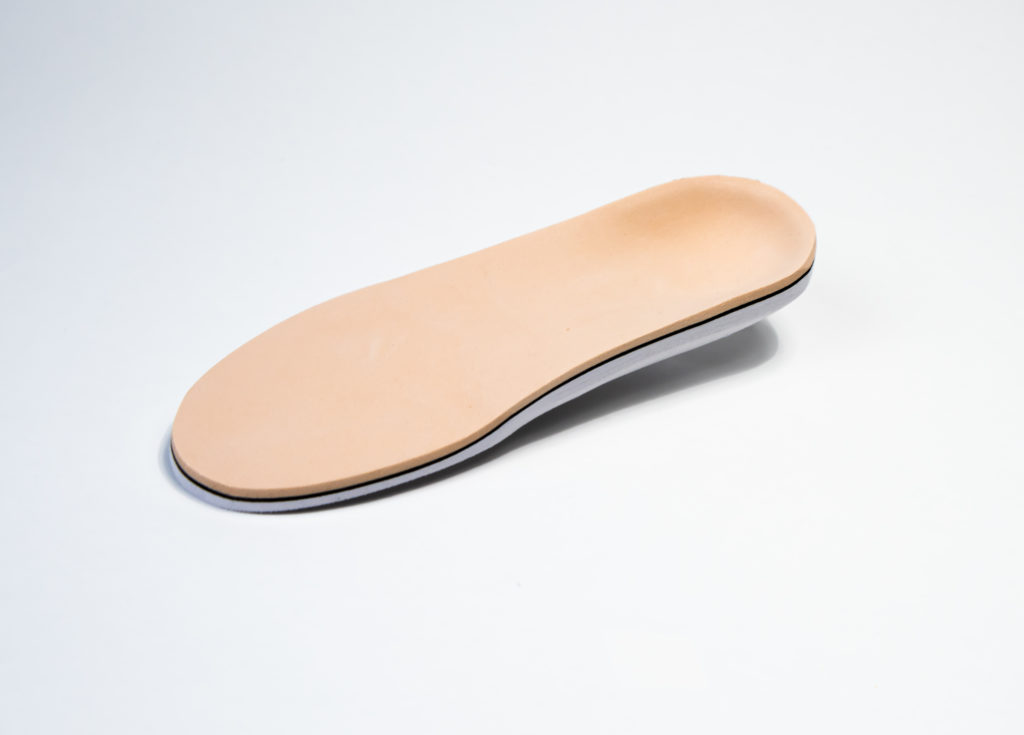
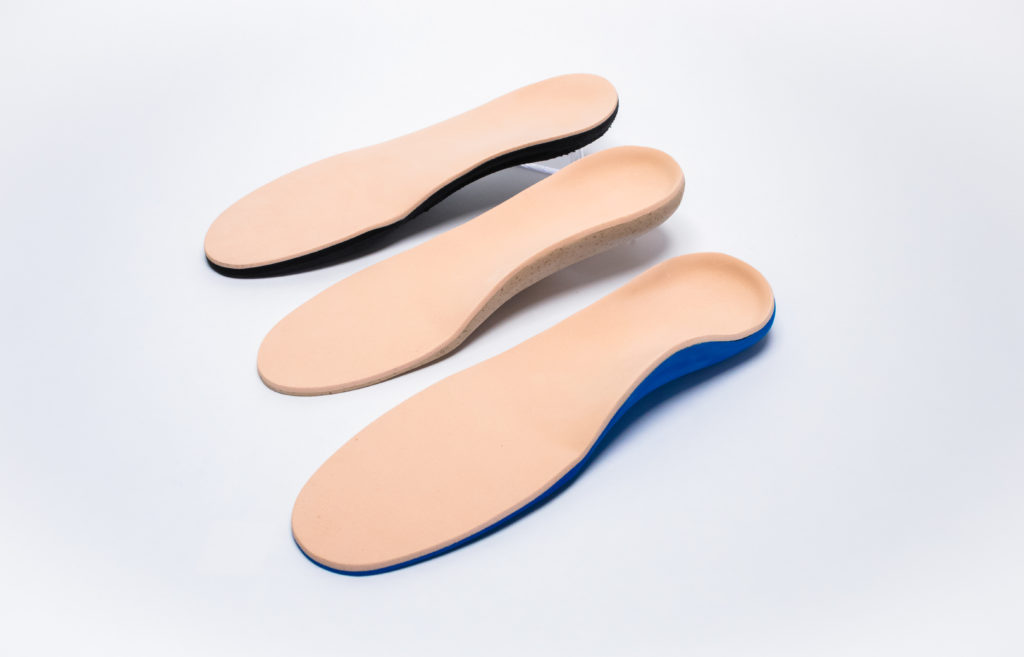
    Unlike arch supports, over the counter remedies, or customized mail-order insoles, SOLO orthotics are custom made from impressions created by your feet, and from a prescription ordered by your health professional. Our orthotics will help maintain correct alignment and function of your feet and lower extremity when worn in your casual dress, athletic, or even high-heeled shoes. By properly balancing your foundation, the pain you experience in your feet, ankles, legs, knees, hips, and back could be a thing of the past!

    Remember, SOLO prescription orthotics are custom made to your feet. Consider them like contact lenses for your feet. And like contact lenses, there may be short period of time during which the orthotics will be "broken in." A period of 2-6 weeks is not uncommon. Once your body becomes properly aligned, you will not even realize you're wearing them... but you'll certainly know when you're not!

  2. Which orthotic is best for me?
    There are many different types of SOLO functional orthotics. Our participating medical professionals can evaluate your foot type, specific skeletal or muscular problem, and style of shoe gear to determine the type of device that is best for you.

  3. How much do they cost?
    Costs vary on a case-by-case basis. Contact your healthcare provider for costs.

  4. Are foot problems widespread?
    Seventy-five percent of Americans will experience foot health problems of varying degrees of severity at one time or another.

  5. Are feet complicated?
    The foot is an intricate structure containing 26 bones, 33 joints, and 107 ligaments. Nineteen muscles and tendons hold the structure together and allow it to move in a variety of ways.

  6. Are there a lot of bones in feet?
    The 52 bones in your feet make up about one quarter of all the bones in your body.

  7. Do more women have foot problems than men?
    Women are about four times as likely to have foot problems as men. Lifelong patterns of wearing high heels often contribute to difficulties.

  8. How far does the average person walk during a typical day and during their lifetime?
    The American Podiatric Medical Association says the average person takes 8,000 to 10,000 steps a day. That's the equivalent of several miles. They all add up to about 115,000 miles in a lifetime. That's like walking around the world four times.

  9. How much pressure goes into your foot while you are walking?
    While walking, the pressure on your feet can exceed your body weight. When you're running, it can be three or four times your body weight.

  10. What tips should I follow when shopping for shoes?
    Shopping for shoes is best done in the afternoon, says the American Podiatric Medical Association. Your feet tend to swell a little during the day, and it's best to buy shoes to fit them then. Have your feet measured every time you purchase shoes, and do it while you're standing. When you try on shoes, try them on both feet; many people have one foot larger than the other, and it's best to fit the larger one.

  11. How should toenails be trimmed?
    Trim your toenails straight across with clippers specially designed for the purpose. Leave them slightly longer than the tips of your toes.

  12. What exercise is safe for your feet and good for your overall health?
    Regular walking is the best exercise for your feet. It also contributes to your general health by improving circulation, contributing to weight control, and promoting all-around well-being.

  13. Can serious medical problems first show up in the feet?
    Your feet mirror your general health. Conditions such as arthritis, diabetes, and nerve and circulatory disorders can show their initial symptoms in the feet. Foot ailments may be your first sign of more serious medical problems.

  14. How many podiatrists practice in the United States?
    There are about 9,000 podiatry offices in the United States. There is an average of one podiatric physician for every 25,000 people. They receive more than 60 million visits a year from people with any number of foot ailments. Yet, that's probably only a fraction of the number of foot problems. Mostly, say podiatrists, that's because many people have the erroneous notion that their feet are supposed to hurt.

  15. Are all foot problems hereditary? Are you born with foot problems or do they develop later?
    According to the American Podiatric Medial Association, a small percentage of the population is born with foot problems. Neglect, a lack of awareness of proper care and ill-fitting shoes bring on many of the problems. A lifetime of wear, tear, and neglect accounts for the fact that most podiatrists see older Americans as patients.

  16. What are corns and calluses?
    Corns and calluses are caused by friction and pressure from skin rubbing against bony areas when wearing shoes. If the first signs of soreness are ignored, corns and calluses develop as nature's way of protecting sensitive areas.

  17. How much sweat do your feet produce each day?
    There are approximately 250,000 sweat glands in a pair of feet, and they excrete as much as half a pint of moisture each day.

  18. What are plantar warts?
    Plantar warts are caused by a virus that may invade the sole of the foot through cuts and breaks in the skin. Walking barefoot on dirty pavement or littered ground can expose feet to this sometimes-painful skin infection.

  19. What education is involved in becoming a podiatrist?
    The podiatric physician (doctor of podiatric medicine, or DPM) is the health care professional trained in the care of feet. He or she receives conventional medical training plus special training on the foot, ankle, and lower leg. All 50 states, the District of Columbia, and Puerto Rico require podiatrists to pass rigorous state board examinations before they are licensed. Most require continuing education programs for regular license renewal.

    Colleges of podiatric medicine all have entrance requirements which, like institutions granting MD (medical doctor) and DO (doctor of osteopathy) degrees, anticipate completion of an undergraduate degree, though they will consider candidates who show unusual promise and have completed a minimum of 90 semester hours at accredited undergraduate colleges or universities.

  20. Are foot problems widespread?
    About 19 percent of the US population has an average of 1.4 foot problems each year.

  21. Do many people have athlete's foot or other foot infections?
    About 5 percent of the US population has foot infections, including athlete's foot, other fungal infections, and warts each year.

  22. Do many people have ingrown toenails?
    About 5 percent of the US population has ingrown toenails or other toenail problems each year.

  23. Are corns and calluses common?
    About 5 percent of the US population has corns or calluses each year. Of the three major types of foot problems (infections, toenails, and corns and calluses), people are less likely to receive treatment for corns and calluses and more likely to continue to have corns and calluses as a problem without treatment.

  24. Do many people suffer from fallen arches or injuries to their feet?
    About 6 percent of the US population has foot injuries, bunions, and flat feet or fallen arches each year.

  25. What are the most frequently occurring foot problems?
    About 60 percent of all foot and ankle injuries reported by the US population older than 17 years were sprains and strains of the ankle.

  26. Does income affect foot health?
    As a person's income increases, the prevalence of foot problems decreases.

  27. What is my next step?
    Consult your podiatrist or medical professional to learn more about SOLO orthotics and the time and expenses involved in alleviating your pain. Try the SOLO experience... if pain is your partner, but you'd rather be on the go... go SOLO!

Site Search

Serve Others-Love Others

APMAAAPSM